Elegant Vintage Flowers Clipart for Timeless Designs
There is a distinct charm in botanical illustrations that have stood the test of time. Unlike modern, flat vector graphics, Elegant Vintage Flowers Clipart carries a sense of history, texture, and organic imperfection that instantly elevates a design project. Whether you are a professional graphic designer building a brand identity or a hobbyist creating handmade invitations, these assets offer a versatile foundation for creativity. The appeal lies in their ability to bridge the gap between classic aesthetics and contemporary needs, providing a visual language that feels both sophisticated and welcoming.
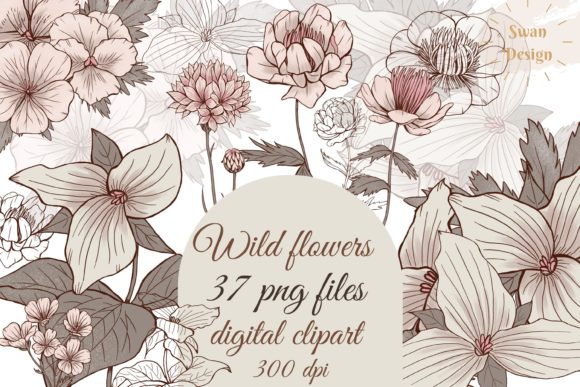
When working with high-quality vintage floral elements, the difference often comes down to resolution and versatility. A collection featuring 21 colored flower PNG elements and 16 line art florals provides a comprehensive toolkit for diverse projects. With sizes approximating 1500-2000 pixels at 300 DPI in RGB, these files are not just low-res web snippets; they are production-ready assets. This level of detail ensures that whether you are printing a large poster or designing a delicate sticker, the edges remain crisp, and the colors retain their depth. The inclusion of a transparent background is crucial, allowing you to layer these flowers over textures, patterns, or solid colors without unsightly white boxes disrupting your composition.
The Dual Power of Color and Line Art
One of the most practical advantages of having both colored and line art versions of the same botanical subjects is the flexibility it offers in styling. The colored PNG elements bring immediate life to a layout. They are perfect for projects where visual impact is paramount, such as nursery wall decor or birthday party flyers. These full-color blooms can serve as the focal point of a design, drawing the eye with their soft, muted palettes typical of vintage lithography.
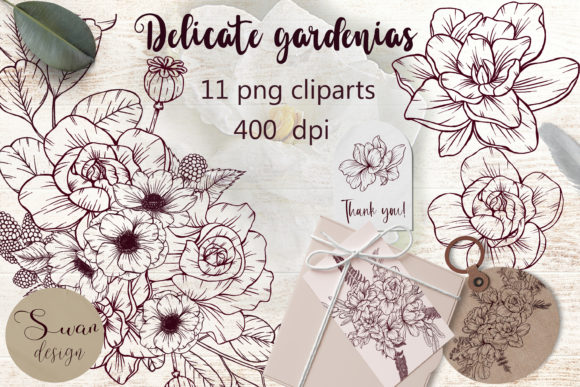
Conversely, the line art florals offer a minimalist approach that is increasingly popular in modern stationery and branding. Line art allows for customization that solid colors do not. You can easily change the stroke color in your editing software to match a specific brand guideline or print them on colored paper for a subtle, embossed effect. For bullet journal enthusiasts and planners, these outlines provide excellent structures for coloring pages or decorative headers that don't overwhelm the written content. By mixing both styles within a single project, you create visual rhythm and depth, preventing the design from feeling flat or monotonous.
Practical Applications for Small Business and Creators
For small business owners and entrepreneurs, particularly those in the wedding and event industry, these design elements are invaluable. Consider the workflow for creating a cohesive wedding invitation suite. You can use the larger colored blooms for the main invitation card to set a romantic tone, while utilizing the smaller line art elements for the RSVP cards, envelope liners, and menu cards. This consistency creates a professional, polished look that clients appreciate.
- Greeting Cards and Stationery: The 300 DPI resolution makes these files ideal for physical printing. You can create boxed sets of greeting cards for birthdays, anniversaries, or thank-you notes. The vintage style appeals to a wide demographic looking for something more personal than a drugstore card.
- Packaging and Labels: If you sell handmade soaps, candles, or artisanal foods, these floral overlays work beautifully on product labels. They add a touch of elegance that suggests quality and care in manufacturing.
- Digital Products: Bloggers and digital marketers can use these elements to create eye-catching Pinterest pins, blog headers, or social media story templates. The transparent background allows for seamless integration into existing brand kits.
Educators and publishers can also find unique ways to integrate these assets. In educational materials, vintage botanicals can be used to teach art history, biology, or even as decorative borders for worksheets that need to feel less sterile and more engaging. For scrapbookers, the variety of 21 different colored flowers ensures that there is enough variation to decorate multiple pages without repetition becoming obvious.
Enhancing Digital and Print Workflows
Working with high-resolution PNGs simplifies the technical side of design. Because the files are already at 300 DPI, you do not need to worry about upscaling images, which often results in pixelation and loss of quality. This "ready-to-use" nature means you can spend less time fixing technical issues and more time focusing on composition and layout.
For web designers, while these files are print-ready, they can also be optimized for screen use. When used as photo overlays or background elements on websites, they add texture and warmth to digital interfaces that often feel too cold or corporate. However, it is important to manage file sizes for web performance; while the source files are large for print quality, exporting a compressed version for web use ensures fast loading times without sacrificing the aesthetic benefit.
In the realm of decoupage and physical crafts, the clarity of these prints is essential. When transferring images onto wood, glass, or fabric, the fine lines and detailed shading of vintage florals translate better than simpler clipart. The transparency of the PNG format allows crafters to cut out specific petals or leaves digitally before printing, reducing waste and precision errors during the physical cutting process.
Maintaining Consistency and Originality
While using pre-made clipart is efficient, the goal is to create something that feels original to your brand or project. To avoid the "stock photo" look, consider how you combine these elements. Do not simply place a flower in the corner of a page; integrate it with typography. Wrap text around the curves of the petals or let the line art weave through the letters of a headline.
Color grading is another powerful tool. Even though the colored elements come with a specific vintage palette, you can adjust the hue, saturation, and lightness in your editing software to better match your specific project requirements. Perhaps your brand colors are teal and coral, but the clipart is sage and blush. A simple adjustment layer can harmonize the assets with your vision while retaining the intricate details of the original illustration.
Furthermore, think about the context of your audience. For a baby shower, softer, lighter arrangements using the smaller buds and leaves might be appropriate. For a poster or a bold presentation cover, layering multiple large blooms to create a lush, dense bouquet can make a strong statement. Understanding the emotional weight of the occasion helps in selecting the right arrangement density and flower types from the available 21 options.
Final Thoughts on Creative Utility
Ultimately, the value of Elegant Vintage Flowers Clipart lies in its adaptability. It serves as a bridge between the nostalgic beauty of the past and the functional demands of modern design. Whether you are assembling a complex print template, designing a digital planner, or creating a one-off piece of art for your home, these elements provide the building blocks for professional results. The combination of high resolution, transparent backgrounds, and the dual offering of color and line art ensures that you are not limited by your tools. Instead, you are empowered to focus on the creative decisions that truly matter: composition, storytelling, and connection with your audience.
By approaching these assets with a strategy—mixing media, adjusting colors, and considering the end-user experience—you transform simple image files into compelling visual narratives. This is the essence of practical creativity: using high-quality resources not just to fill space, but to enhance meaning and beauty in every project you undertake.