Integrating Set Templates Wedding History into Modern Creative Workflows
The evolution of wedding stationery and design assets reflects a broader shift in how creatives, small business owners, and event planners approach visual storytelling. Historically, creating cohesive wedding materials required extensive manual illustration or expensive custom commissions. Today, the concept of Set Templates Wedding History represents a curated bridge between traditional aesthetic values and modern digital efficiency. This collection is not merely a folder of images; it is a strategic resource designed to streamline the production of high-quality visual assets for weddings and beyond. By understanding the historical context of these designs and their technical specifications, professionals can integrate them seamlessly into diverse workflows ranging from invitation design to brand identity creation.
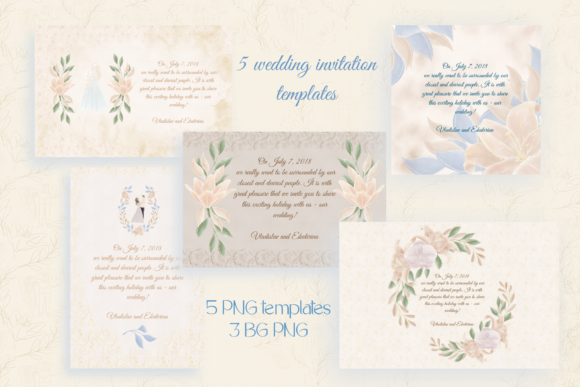
At its core, this collection offers five distinct wedding invitation templates provided as PNG files with transparent backgrounds at 300dpi. While the immediate application seems obvious—printing invitations—the true value lies in the versatility of transparent, high-resolution assets. These elements allow designers to bypass the tedious phase of asset creation and move directly into composition and customization. For entrepreneurs and freelancers, time is the most critical currency. Utilizing pre-designed, easy-to-edit elements means you can deliver projects faster without compromising on the bespoke feel that clients demand.
The Strategic Role of High-Resolution Assets in Project Planning
In any creative workflow, whether preparing for a wedding season or launching a new product line, the preparation phase dictates the quality of the final output. The inclusion of 300dpi resolution in these templates is a non-negotiable standard for professional print work. When integrating Set Templates Wedding History into your process, this resolution ensures that whether you are designing a large-format poster or a delicate postcard, the edges remain crisp and the details sharp. Low-resolution assets often force designers to scale back their ambitions or risk pixelated results that damage professional credibility. By starting with 300dpi sources, you eliminate a major variable of risk early in the project lifecycle.
The transparent background feature is equally vital for workflow efficiency. In traditional design processes, removing backgrounds from complex floral or ornamental patterns can consume hours of meticulous masking work. With these templates, the isolation of elements is already complete. This allows marketers and bloggers to layer designs over textured papers, colored cardstocks, or digital backgrounds instantly. It facilitates a "mix-and-match" methodology where individual elements from different templates can be combined to create unique compositions. This flexibility supports rapid prototyping, enabling you to present multiple design concepts to a client or stakeholder within minutes rather than days.
Expanding Utility Beyond Traditional Invitations
While the primary label suggests a focus on wedding invitations, limiting these assets to that single use case underutilizes their potential. The patterns and individual elements contained in this set are adaptable for a wide array of commercial and personal applications. For small business owners in the handmade sector, these designs serve as excellent foundations for packaging. Imagine applying a vintage floral element from the set to a soap box label or a jewelry tag. The historical aesthetic adds a layer of perceived value and craftsmanship to physical products, enhancing the unboxing experience for customers.
Furthermore, web designers and content creators can leverage these PNGs to elevate digital properties. A blog header featuring a subtle, transparent wedding pattern can instantly establish a tone of elegance and sophistication. Because the files are easy to edit, they can be color-shifted to match specific brand palettes, ensuring consistency across all marketing channels. Educators and publishers might find use in these assets for creating certificates, program covers, or decorative page dividers in magazines. The key is to view the Set Templates Wedding History not as a static product, but as a modular library of design components that can be reconfigured to suit various narrative needs.
Workflow Integration and Compatibility
Successful implementation of these templates depends on how well they interact with your existing software ecosystem. Since the files are in PNG format, they offer universal compatibility with almost every image editing and layout software available today, from industry standards like Adobe Photoshop and Illustrator to accessible tools like Canva, GIMP, or Affinity Designer. This interoperability ensures that you do not need to invest in new hardware or software licenses to begin using them.
For teams collaborating on a project, these assets simplify the handoff process. Because the elements are already isolated on transparent layers, a graphic designer can send a file to a printer or a web developer without worrying about background mismatches or resolution issues. This reduces the back-and-forth communication that often plagues creative projects. When organizing your digital asset management system, it is advisable to categorize these templates by their stylistic era or pattern type. This organization strategy speeds up retrieval times when you are under tight deadlines, allowing you to locate the perfect flourish or border instantly.
Quality Control and Consistency in Design Execution
Maintaining a high standard of quality control is essential when using templates to ensure the final product does not look generic. The ease of editing these designs invites experimentation, but it also requires a disciplined eye for composition. When combining patterns with individual elements, pay close attention to scale and balance. A common pitfall in template-based design is overcrowding the layout. Use the negative space provided by the transparent backgrounds to let the designs breathe. This approach maintains the elegance associated with wedding history aesthetics while ensuring readability and visual comfort.
Consistency is another factor to consider, especially for brands using these elements across multiple touchpoints. If you use a specific floral motif from the set on your wedding invitations, consider echoing that same element in your table numbers, menus, and thank-you cards. This creates a unified visual language that reinforces the theme. For businesses, this translates to brand recognition. By consistently applying these high-quality assets across packaging, social media graphics, and website banners, you build a cohesive identity that resonates with your audience.
Long-Term Value and Adaptability
Investing in a versatile template set like this offers long-term value that extends far beyond a single event. Trends in wedding and event design cycle frequently, but classic historical patterns tend to remain relevant due to their timeless appeal. Having a library of 300dpi, editable assets means you are prepared for future projects without needing to source new materials constantly. For freelancers, this translates to higher profit margins, as the cost of asset acquisition is amortized over multiple projects.
Moreover, these templates support continuous learning and skill development. Hobbyists and aspiring designers can deconstruct the compositions to understand how professional layouts are built. By manipulating the layers and observing how different elements interact, users can improve their own design instincts. This educational aspect makes the collection valuable for educators teaching graphic design principles or individuals looking to upskill in digital creativity.
Practical Tips for Maximizing Output
To get the most out of Set Templates Wedding History, adopt a systematic approach to your design sessions. Start by defining the emotional tone of your project. Are you aiming for romantic and soft, or bold and dramatic? Select the template that best aligns with this goal before opening your editing software. Next, experiment with blending modes and opacity settings. Even though the backgrounds are transparent, overlaying elements with slight transparency can create depth and texture that flat images lack.
- Preparation: Organize your workspace and have your color palette decided before importing the PNGs to streamline the decision-making process.
- Layering: Always work on duplicate layers when editing to preserve the original high-quality source files for future use.
- Context Testing: Regularly zoom out to view your design in its intended context, whether that is a mockup of a printed invite or a browser window for a web page.
- Export Settings: When finalizing your work, ensure you export in the correct format for the medium—PDF for print and optimized PNG or JPEG for web—to maintain the 300dpi advantage where necessary.
In conclusion, the integration of these wedding history templates into your workflow represents a smart fusion of tradition and technology. They provide the structural beauty of historical design with the functional flexibility required by modern creators. Whether you are a marketer crafting a campaign, a small business owner packaging goods, or a couple planning your special day, these assets offer a reliable foundation for excellence. By focusing on preparation, compatibility, and thoughtful composition, you can transform these ready-made elements into unique, high-impact visuals that stand out in a crowded marketplace. The true power of these templates lies not just in their aesthetic appeal, but in their ability to accelerate your creative process while maintaining the highest standards of quality and professionalism.